
Design Collaboration Tools
Creative failure rarely comes from weak designers.
It comes from broken collaboration.
Feedback arrives too late.
Developers build from outdated files.
Stakeholders comment across scattered channels.
Version histories become archaeological exercises.
Velocity slows — not because talent is missing — but because coordination collapses.
This is why design collaboration tools are no longer productivity software.
They are creative infrastructure.
Organizations that recognize this early build design environments that scale smoothly.
Those that do not eventually experience what operators call:
Execution Drag
An invisible friction that compounds across every project.
Executive Reframe: Collaboration Is a Systems Problem — Not a Communication Problem
Many leadership teams attempt to fix creative friction with more meetings.
More Slack threads.
More review cycles.
More alignment sessions.
But collaboration does not improve through conversation density.
It improves through system design.
Modern design organizations operate less like creative studios — and more like coordinated production environments.
The question is no longer:
“Are our designers collaborating?”
It is:
“Does our infrastructure make collaboration inevitable?”
Design collaboration tools answer that question structurally.
The Creative Operations Stack™
High-maturity teams quietly architect collaboration across four reinforcing layers:
Infrastructure Layer | Operational Function | Failure Pattern Without It |
Creation Layer | Enables real-time co-design | File fragmentation |
Alignment Layer | Centralizes feedback | Comment sprawl |
Translation Layer | Bridges design → development | Build inaccuracies |
Control Layer | Preserves version truth | Rework cycles |
When these layers synchronize, creative execution accelerates without sacrificing quality.
When they do not — friction multiplies.
The Inflection Point Most Organizations Underestimate
Design tooling becomes strategic at a specific scale threshold.
Watch for these signals:
- Product velocity increasing
- Multiple designers contributing simultaneously
- Developer handoffs becoming frequent
- Marketing requesting rapid asset production
- Content production system
- Distributed teams collaborating asynchronously
- Stakeholders demanding visibility
At this stage, static design files stop working.
Collaboration must become environmental, not procedural.
Elite operators upgrade infrastructure before creative throughput overwhelms coordination.
What Design Collaboration Actually Means (Beyond Shared Files)
True collaboration environments do far more than host files.
They create shared operational context.
Modern platforms typically enable:
- simultaneous editing
- threaded feedback
- component libraries
- design systems
- developer inspection
- change visibility
- prototype testing
- stakeholder commenting
Think less “tool.”
Think creative command center.
Primary Categories of Design Collaboration Tools
Governance taught us this lesson earlier:
Serious capabilities emerge from stacks — not single platforms.
1. Real-Time Collaborative Design Platforms — Creation Without Bottlenecks
These environments allow multiple contributors inside the same canvas.
The impact is subtle but profound:
Design stops behaving sequentially — and becomes parallel.
Operator insight:
Parallel creativity is one of the fastest ways to compress product timelines.
Look for:
- multiplayer editing
- cloud-native architecture
- component syncing
- auto-versioning
If teams still email files, infrastructure maturity is lagging.
2. Visual Workspace Platforms — Alignment at Scale
Before pixels are finalized, ideas must converge.
Visual collaboration tools support:
- whiteboarding
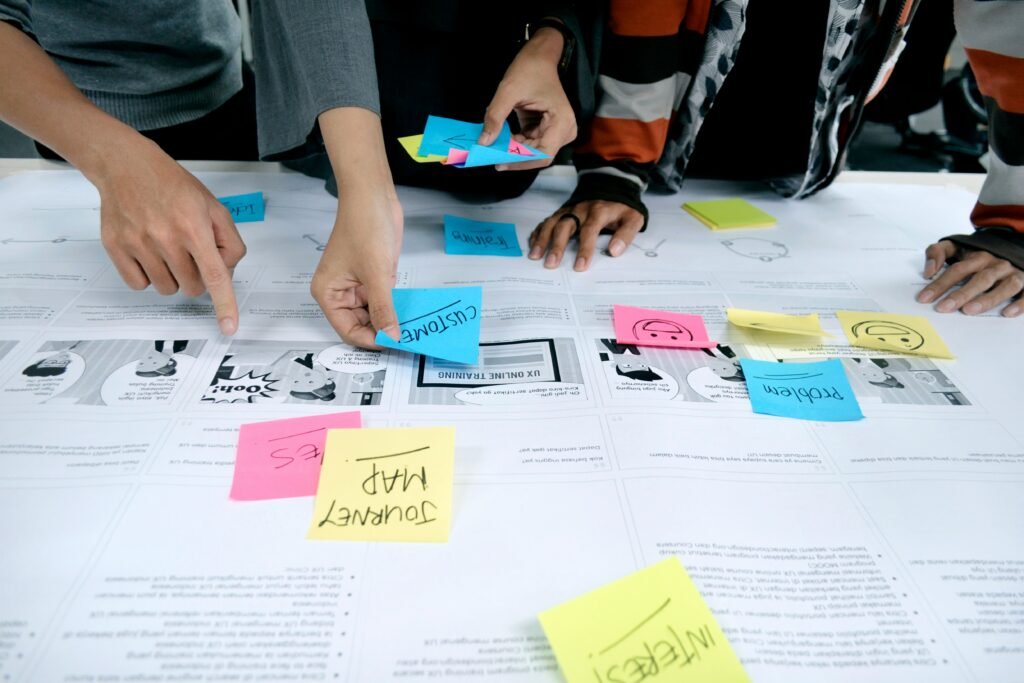
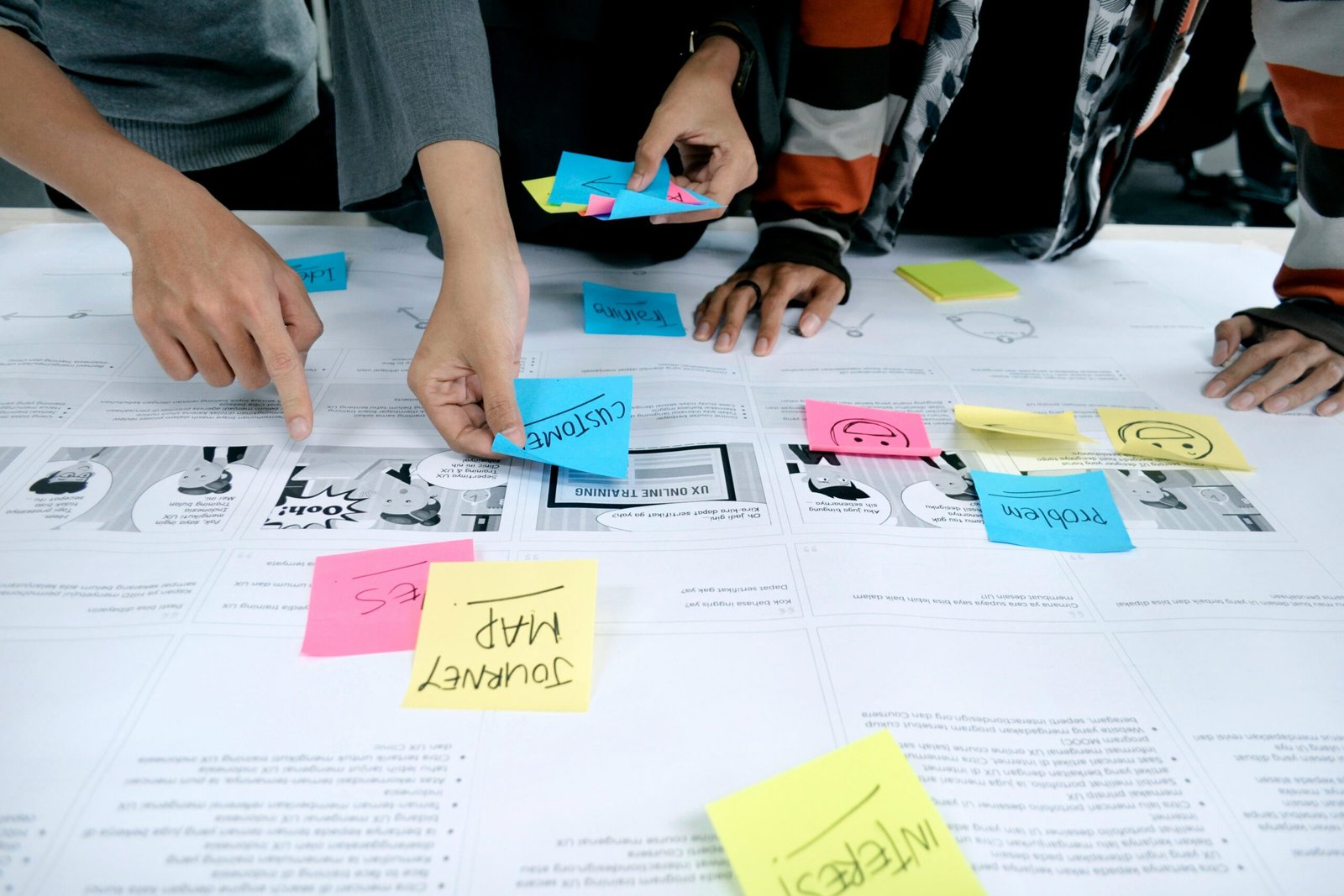
- journey mapping
- sprint planning
- ideation
- diagramming
Particularly valuable when cross-functional participation increases.
Because design is rarely a designer-only activity anymore.
It is organizational thinking made visible.
3. Design-to-Development Bridges — Execution Fidelity
One of the most expensive forms of friction occurs between design approval workflow and engineering.
Translation errors introduce:
- UI inconsistencies
- spacing deviations
- typography mismatches
- interaction defects
Modern collaboration platforms reduce this through:
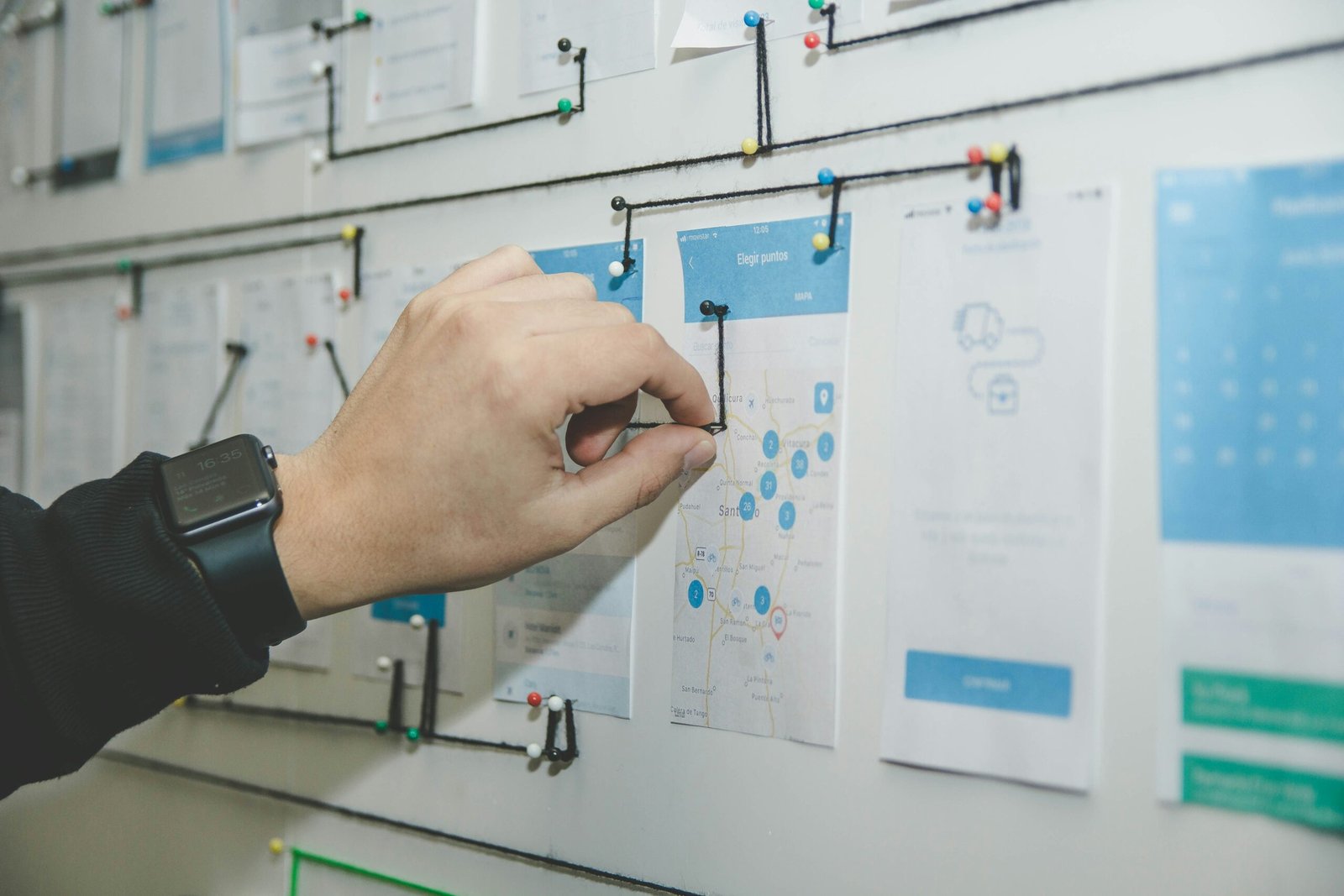
- inspect panels
- token extraction
- CSS references
- measurement tools
When translation becomes mechanical rather than interpretive, build accuracy rises dramatically.
4. Version Governance Systems — Truth Preservation
Few risks are more operationally corrosive than version ambiguity.
Governance-grade tools enforce:
- immutable histories
- branching
- rollback capability
- approval checkpoints
Creative confidence rises when teams trust that the current file is truly current.
This is less about control — and more about cognitive clarity.
The Hidden Economics of Collaboration Friction
Design inefficiency rarely appears on financial statements.
But operators see its shadow everywhere.
Typical symptoms include:
👉 Developer rework
👉 Extended sprint cycles
👉 Approval delays
👉 Duplicate effort
👉 Stakeholder misalignment
👉 Brand asset management
Over time, these produce what can be called:
Creative Latency
A silent constraint on organizational speed.
Strong product collaboration infrastructure reduces latency — often without leadership noticing immediately.
But the compounding advantage is enormous.
Design Collaboration Tool Selection Matrix
Smart buyers do not ask:
“Which tool is best?”
They ask:
“Which friction are we removing?”
Operational Friction | Tool Priority | Buying Trigger |
Designers blocking each other | Real-time platforms | Concurrent projects rising |
Feedback scattered | Visual workspace | Stakeholder volume growing |
Dev build errors | Design-dev bridge | Engineering complaints increasing |
File confusion | Version governance | Rework cycles appearing |
Infrastructure decisions should always map to execution constraints.
The Collaboration Maturity Curve™
Organizations evolve through predictable capability stages:
Stage | Collaboration Reality | Executive Risk |
Fragmented | Files distributed | Execution drag |
Coordinated | Shared platforms | Reduced confusion |
Integrated | Design-dev synced | Higher velocity |
Institutional | Design systems embedded | Durable scale |
Skipping stages often produces tooling chaos — multiple platforms solving overlapping problems.
Architecture discipline matters.
The AI Inflection That Is Quietly Reshaping Collaboration
AI is not replacing designers.
But it is compressing iteration cycles dramatically.
Which introduces a new constraint:
Human coordination speed must now match machine-assisted creation speed.
Without collaborative infrastructure, AI can actually amplify chaos — generating more artifacts than teams can align around.
Forward-looking organizations are already preparing for this shift.
Balanced Drawbacks Leaders Should Anticipate
No infrastructure decision is frictionless.
Migration Shock
Moving design ecosystems introduces short-term productivity dips.
But long-term gains typically dwarf the transition cost.
Tool Sprawl Risk
Adopting too many platforms recreates fragmentation.
Integration strategy should precede vendor enthusiasm.
Governance vs Flexibility
Over-structuring collaboration can suppress creative exploration.
Elite operators enforce guardrails — not cages.
Evidence Reality Check
Across high-growth SaaS environments, design velocity increasingly correlates with infrastructure maturity.
Organizations that unify creation, feedback, and handoff inside shared environments consistently report:
- shorter release cycles
- fewer translation errors
- improved stakeholder confidence
Not because talent improved overnight.
But because friction declined.
Execution environments shape outcomes more than most leaders realize.
Operator Deployment Path
For teams upgrading collaboration:
Phase 1 — Creation Unification
Adopt real-time design.
Phase 2 — Feedback Centralization
Eliminate comment sprawl.
Phase 3 — Dev Integration
Mechanize translation.
Phase 4 — Systemization
Embed reusable components.
Capability compounds when deployed sequentially.
Operator Verdict
Design collaboration tools are not creative accessories.
They are execution accelerators.
The strongest organizations rarely talk about their tooling publicly.
But internally — their environments are exceptionally synchronized.
When collaboration becomes structural rather than effortful…
Creative teams stop fighting friction.
And start building momentum.
Institutional Takeaway
Do not wait for creative bottlenecks to justify infrastructure upgrades.
By then, execution drag is already embedded in your operating rhythm.
Build collaboration environments while growth is still manageable.
Because organizational speed is rarely limited by ambition —
It is limited by coordination.
Executive Decision Matrix
Fastest velocity gain: Real-time design platforms
Most underrated upgrade: Design-dev bridges
Earliest friction remover: Feedback centralization
Long-term moat builder: Design systems